1. Introduction
Sugar is ubiquitous in the modern diet, yet its overconsumption has been linked to a surge in diabetes, obesity, and a host of other metabolic issues. For individuals with diabetes and health-conscious consumers, finding natural, low-calorie alternatives to traditional sugar is not only desirable but essential. In this post, we explore three promising alternatives—monk fruit, allulose, and stevia—and share a range of reduced-sugar snack ideas designed to keep blood sugar levels stable while satisfying your sweet tooth.
By examining the scientific evidence and practical applications of these sweeteners, this article provides an in-depth look at how embracing these alternatives can help manage diabetes and support an overall healthier lifestyle. Whether used in beverages, baked goods, or as part of creative snacking solutions, these options prove that one can still enjoy sweetness without the detrimental effects of high sugar consumption.
2. Monk Fruit Sweeteners
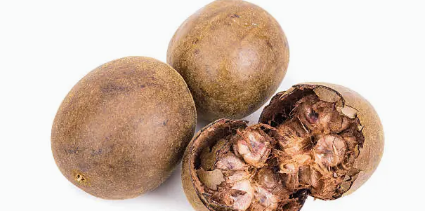
Monk fruit sweetener is derived from the luo han guo fruit, a small gourd native to Southeast Asia with a long history in traditional Chinese medicine. Its natural compounds—mogrosides—contribute to its intense sweetness, making monk fruit extract approximately 150 to 200 times sweeter than sugar. Because only a tiny quantity is needed to achieve the desired level of sweetness, monk fruit extract naturally contains almost no calories. This strength allows it to be an excellent option for those managing diabetes or seeking to reduce overall caloric intake without sacrificing flavor5.
Benefits and Applications
- Zero or Minimal Calories: Monk fruit sweetener imparts intense sweetness with negligible calories, supporting weight management and diabetes control5.
- No Impact on Blood Sugar: It does not cause a spike in blood glucose levels, making it ideal for individuals requiring careful blood sugar regulation5.
- Versatility: Available in liquid, powder, or granulated forms, monk fruit sweetener is highly versatile. It can be used to sweeten beverages, incorporate into cooking, or even enhance baked goods while maintaining a low-sugar profile.
- Natural Composition: As a naturally derived sweetener, monk fruit extract does not contain synthetic chemicals or undesirable fillers. However, it is important to verify product labels, as some commercial blends may combine monk fruit with other sweeteners.
Monk fruit sweetener’s gentle effect on blood sugar and minimal caloric contribution make it a popular choice among diabetics and those who are health conscious. Its ability to mimic the taste and texture of sugar without the adverse metabolic impacts positions it as one of the top alternatives for reducing sugar intake without compromising on taste.
3. Allulose – The Rare Sugar with Big Benefits
Allulose is classified as a rare sugar, naturally occurring in small quantities in foods such as figs, raisins, wheat, and molasses. Despite its structural similarity to fructose, allulose has a markedly different metabolic profile. With only about 0.4 calories per gram and approximately 70% of the sweetness of traditional sugar, it offers a sweet taste without the high energy load typical of sucrose2.
Scientific Evidence and Health Benefits
- Low-Calorie Profile: Allulose provides significantly fewer calories compared to table sugar, making it an effective option for calorie control and weight management2.
- Blood Sugar Regulation: Research, including systematic reviews and meta-analyses, shows that acute doses of allulose (in the range of 5g to 10g) can reduce the postprandial blood glucose level markedly. By lowering the area under the curve (AUC) of blood glucose concentrations after meals, allulose helps prevent dramatic spikes2.
- Digestive Considerations: Allulose is absorbed in the small intestine and largely excreted unchanged, resulting in minimal impact on blood glucose levels. This characteristic renders it particularly tooth-friendly and less likely to contribute to dental decay.
- Versatility in Use: Allulose’s moderate sweetness makes it a suitable replacement for sugar in various settings, including beverages, desserts, and even savory sauces. Its neutral aftertaste allows it to be blended seamlessly with other ingredients.
Practical Applications
Allulose can be integrated into daily food preparations to reduce sugar content without sacrificing flavor. Whether used on its own in beverages or combined with other natural sweeteners in recipes, it offers a new avenue for achieving a balanced diet that accommodates the needs of individuals with glucose regulation issues. Its favorable response in lowering post-meal blood sugar levels is especially beneficial for people with diabetes or for those at risk of developing the condition.
4. Stevia – The Natural Sweetener Powerhouse
Stevia is a natural, zero-calorie sweetener extracted from the leaves of the Stevia rebaudiana plant. With a sweetness intensity that is 200 to 300 times greater than that of sugar, stevia offers a potent alternative to traditional sweeteners. Its long history of use, combined with modern research, has established stevia as a safe and effective option for managing blood sugar levels.

Health Benefits and Mechanisms
- Calorie-Free Sweetness: Stevia provides an intense sweet taste without adding any calories, which makes it an attractive alternative for weight loss and diabetes management4.
- Blood Sugar Control: Unlike many artificial sweeteners, stevia has demonstrated the ability to stabilize blood sugar levels. Studies suggest that it may enhance insulin secretion and improve insulin sensitivity, thereby aiding in glucose regulation46.
- Antioxidant and Anti-Inflammatory Properties: Stevia contains compounds that possess antioxidant qualities, helping to combat oxidative stress and inflammation—a key factor in many chronic diseases46.
- Heat Stability: Its stability at high temperatures makes stevia suitable for cooking and baking, expanding its application beyond simple beverage sweetening.
Considerations in Use
While stevia is broadly beneficial, not all commercial stevia products are created equal. Some products may include additional fillers or undergo extensive processing that could potentially diminish its natural benefits. As such, selecting high-quality, pure stevia extract is essential to fully harness its health advantages. When incorporating stevia into your diet, it is advisable to check product ingredients and opt for formulations that maintain its natural purity.
5. Smart Snacking with Reduced-Sugar Options
For individuals managing diabetes or simply seeking to improve their overall dietary quality, smart snacking plays a pivotal role. Reduced-sugar snacks are specially designed to provide sustained energy without causing the dramatic blood sugar spikes associated with high-sugar foods. Here are some innovative snack ideas that blend taste and health:
Delicious and Diabetes-Friendly Snack Ideas
- Cottage Cheese-Berry Bowl: Combine low-fat cottage cheese with a generous serving of mixed berries. The natural sweetness of the berries complements the protein-rich cottage cheese, while the fiber content helps moderate blood sugar levels7.
- Peanut Butter Stuffed Energy Balls: These no-bake energy balls, crafted from dates, oats, and natural peanut butter, present a convenient snack that is both filling and low in added sugars. The natural sugars from dates provide a mild sweetness without the risk of a blood sugar spike7.
- Roasted Buffalo Chickpeas: For a savory alternative, roasted chickpeas seasoned with a hint of spice offer crunch, protein, and fiber, making them an ideal snack choice for stabilizing energy levels throughout the day7.
- Greek Yogurt with Strawberries: A bowl of plain Greek yogurt mixed with fresh strawberries is a simple yet satisfying snack. Greek yogurt provides ample protein while the strawberries contribute natural sweetness along with important antioxidants7.
- Nuts and Seeds Mix: A small portion of almonds, walnuts, chia seeds, and flaxseeds delivers healthy fats, protein, and fiber—all of which help maintain a steady release of energy and prevent blood sugar surges7.
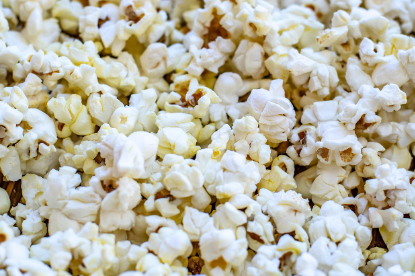
- Air-Popped Popcorn: As a whole-grain snack, air-popped popcorn is low in calories and high in fiber, making it a heart-healthy and diabetes-friendly option.
Portion Control and Nutritional Balance
Even healthy snacks must be consumed in moderation to avoid overloading the body with calories or carbohydrates. Maintaining proper portion sizes is crucial, particularly for individuals with diabetes where even foods with a low glycemic index may affect blood glucose levels if eaten in excess. Combining these snacks with a balanced diet ensures that nutritional needs are met without compromising blood sugar control.
6. Visual Comparison of Sweetener Attributes
Below is a table that compares key attributes of monk fruit, allulose, and stevia. This visualization is designed to help you quickly assess which sweetener might best meet your needs based on a variety of factors.
| Sweetener | Relative Sweetness | Calorie Content | Impact on Blood Sugar | Notable Benefits |
|---|---|---|---|---|
| Monk Fruit | 150–200 times sweeter than sugar | Near zero | Does not raise blood sugar | Natural, zero-calorie, versatile in beverages and cooking5 |
| Allulose | About 70% as sweet as sugar | ~0.4 kcal/gram | Significantly lowers postprandial blood glucose | Low-calorie alternative, tooth-friendly, supports blood sugar stability2 |
| Stevia | 200–300 times sweeter than sugar | Zero calories | Helps stabilize blood sugar and may improve insulin sensitivity | Antioxidant, anti-inflammatory, heat-stable, ideal for cooking and baking4 |
Table 1: Comparative Attributes of Natural Sweeteners
This table highlights how each sweetener stands out in terms of sweetness intensity, calorie contribution, effects on blood sugar, and overall health benefits. It provides a quick reference to guide decision-making for those contemplating a switch from traditional sugar.
7. Conclusion
The growing concern over excessive sugar consumption has led to the emergence of natural, low-calorie alternatives that can significantly improve health outcomes—especially for individuals with diabetes or those seeking to manage their weight. Here are the key insights from our exploration:
- Monk Fruit Sweeteners:
- Derived from the monk fruit, they deliver an intense sweetness (150–200x sweeter than sugar) with minimal calories and no adverse impact on blood sugar levels5.
- Allulose – The Rare Sugar:
- With only about 0.4 kcal per gram and moderate sweetness (70% of sugar’s sweetness), allulose has been shown to reduce postprandial blood glucose levels, offering an innovative option for managing blood sugar2.
- Stevia – The Natural Powerhouse:
- Extracted from Stevia rebaudiana, it is 200–300 times sweeter than sugar, contains zero calories, and can improve insulin sensitivity while providing antioxidant benefits4.
- Smart Snacking:
- Reduced-sugar snacks, such as Cottage Cheese-Berry Bowls, Peanut Butter Stuffed Energy Balls, and roasted chickpeas, provide essential nutrients, maintain stable blood sugar levels, and are a delicious way to enjoy a sweet treat without excessive sugar7.
- Visual Tools:
- The comparison table and flowchart included in this article provide a quick reference for understanding the strengths of each sweetener and how they can be integrated into a healthier lifestyle.
In conclusion, replacing conventional sugar with monk fruit, allulose, or stevia offers a viable and scientifically supported strategy for reducing caloric intake and controlling blood sugar levels. When paired with nutrient-dense, reduced-sugar snacks, these natural sweeteners help pave the way for a balanced diet that supports long-term health and well-being. Before making significant changes to your diet, consult with healthcare professionals to tailor these recommendations to your individual needs.
Have you experimented with any of these sweeteners or tried out the snack ideas presented? We invite you to share your thoughts and experiences in the comments below!
Crafting Informative and Cohesive Body Content
Within the body of your blog post lies the heart of your message. Break down your content into coherent sections, each with a clear heading that guides readers through the narrative. Dive deep into each subtopic, providing valuable insights, data, and relatable examples. Maintain a logical flow between paragraphs using transitions, ensuring that each point naturally progresses to the next. By structuring your body content effectively, you keep readers engaged and eager to learn more.
Powerful Closures: Leaving a Lasting Impression
Concluding your blog post isn’t just about wrapping things up – it’s your final opportunity to leave a strong impact. Summarize the key takeaways from your post, reinforcing your main points. If relevant, provide actionable solutions or thought-provoking questions to keep readers thinking beyond the post. Encourage engagement by inviting comments, questions, or sharing. A well-crafted conclusion should linger in your readers’ minds, inspiring them to explore further or apply what they’ve learned.
Health Disclaimer
This article is for informational purposes only and does not provide medical advice. It is not intended to diagnose, treat, or replace professional guidance. Individual experiences may vary.