
Introduction: Why a Healthy Breakfast Matters
A healthy breakfast is essential for starting the day with energy, focus, and balanced metabolism. Nutrition experts across the world emphasize that breakfast should include a combination of complex carbohydrates, lean protein, healthy fats, fiber, and essential vitamins. Choosing the right breakfast helps regulate blood sugar, improves digestion, boosts brain function, and supports long-term heart health. Below are some of the best and most popular healthy breakfast ideas, optimized for modern lifestyles and backed by nutritional science.
1. Oatmeal (Porridge): Best Fiber-Rich Healthy Breakfast
Oatmeal is one of the most recommended healthy breakfast foods due to its high fiber content. A standard serving of oats contains approximately 65% complex carbohydrates, 15% protein, and 7% healthy fats. The soluble fiber beta-glucan helps reduce bad cholesterol (LDL), improves gut health, and promotes long-lasting fullness.

Oats are also rich in iron, magnesium, zinc, and B-complex vitamins, which support energy production and muscle function. Because of its slow digestion rate, oatmeal prevents energy crashes and keeps you active throughout the morning.
Healthy variations & alternatives:
Steel-cut oats, overnight oats, quinoa porridge, millet porridge
2. Eggs with Whole-Grain Toast: High-Protein Breakfast Option
Eggs are one of the best natural sources of high-quality protein. One large egg provides about 6–7 grams of protein, along with healthy fats, vitamin D, vitamin B12, and choline. Choline plays a vital role in brain health and memory.

Whole-grain toast adds dietary fiber and complex carbohydrates, making this breakfast ideal for sustained energy, muscle repair, and appetite control.
Healthy alternatives:
Egg whites, tofu scramble, chickpea omelet
3. Greek Yogurt with Fruits and Nuts: Probiotic Breakfast for Gut Health
Greek yogurt is rich in protein (up to 50%) and probiotics, which improve digestion and immunity. It also provides calcium, potassium, and vitamin B12. Adding fruits increases vitamin C and antioxidants, while nuts contribute healthy fats and magnesium.
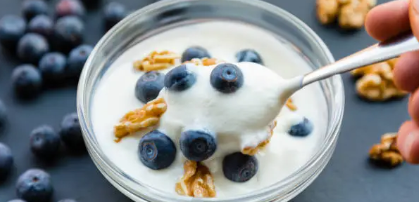
This breakfast is particularly beneficial for people focusing on weight management and gut health.
Healthy alternatives:
Plant-based yogurt (soy or almond), cottage cheese
4. Smoothies: Quick and Nutrient-Dense Breakfast
Smoothies are among the most popular healthy breakfast options today. A balanced smoothie typically provides carbohydrates (50–60%), protein (20–25%), and healthy fats (15–20%). Smoothies allow you to combine fruits, vegetables, seeds, and protein sources into one easy meal.

They are ideal for busy mornings and help meet daily vitamin and hydration needs.
Healthy alternatives:
Smoothie bowls, protein shakes, fruit bowls
5. Avocado Toast: Heart-Healthy Breakfast Trend
Avocado toast is rich in monounsaturated fats, which support heart health and reduce inflammation. Nearly 70% of avocado calories come from healthy fats, along with fiber, potassium, folate, and vitamin E.

When paired with whole-grain bread, avocado toast becomes a balanced breakfast that supports digestion and brain health.
Healthy alternatives:
Hummus toast, nut butter toast
6. Idli or Dosa: Light and Digestive-Friendly Breakfast
Idli and dosa are traditional fermented foods made from rice and lentils. They provide 70% carbohydrates, 15% protein, and minimal fat, making them easy to digest and energy-efficient. Fermentation enhances nutrient absorption and improves gut bacteria.

These breakfasts are naturally low in calories and suitable for all age groups.
Healthy alternatives:
Millet idli, oats dosa, vegetable uttapam
7. Peanut Butter with Whole-Grain Bread: Energy-Boosting Breakfast
Natural peanut butter contains 50% healthy fats, 25% protein, and essential micronutrients like vitamin E and magnesium. This breakfast is calorie-dense and ideal for active individuals or those needing sustained energy.
Healthy alternatives:
Almond butter, seed butter
8. Chia Seed Pudding: Omega-3 Rich Breakfast
Chia seeds are extremely nutritious, offering 40% fiber, 20% protein, and high omega-3 fatty acids. They support digestion, heart health, and blood sugar control. Chia pudding is easy to prepare and keeps you full for hours.
Healthy alternatives:
Flaxseed pudding, overnight oats
9. Fruits with Nuts and Seeds: Natural & Refreshing Breakfast
This breakfast provides natural sugars, antioxidants, fiber, and healthy fats. Fruits support hydration and immunity, while nuts and seeds improve satiety and nutrient balance.
Healthy alternatives:
Fruit yogurt bowls, mixed fruit smoothies
10. Whole-Grain Pancakes: Healthy Comfort Breakfast
Whole-grain pancakes made with oats or whole wheat provide fiber and slow-digesting carbohydrates. When topped with fruits instead of refined syrups, they become a nutritious and popular breakfast option worldwide.
Healthy alternatives:
Banana pancakes, protein pancakes
Conclusion: Choosing the Best Healthy Breakfast
The best healthy breakfast ideas share three qualities: balanced nutrition, minimal processing, and long-lasting energy. Whether you prefer traditional or modern options, focusing on whole foods, fiber, protein, and healthy fats can significantly improve daily performance and long-term health.
Health Disclaimer
This article is for informational purposes only and does not provide medical advice. It is not intended to diagnose, treat, or replace professional guidance. Individual experiences may vary.