Introduction
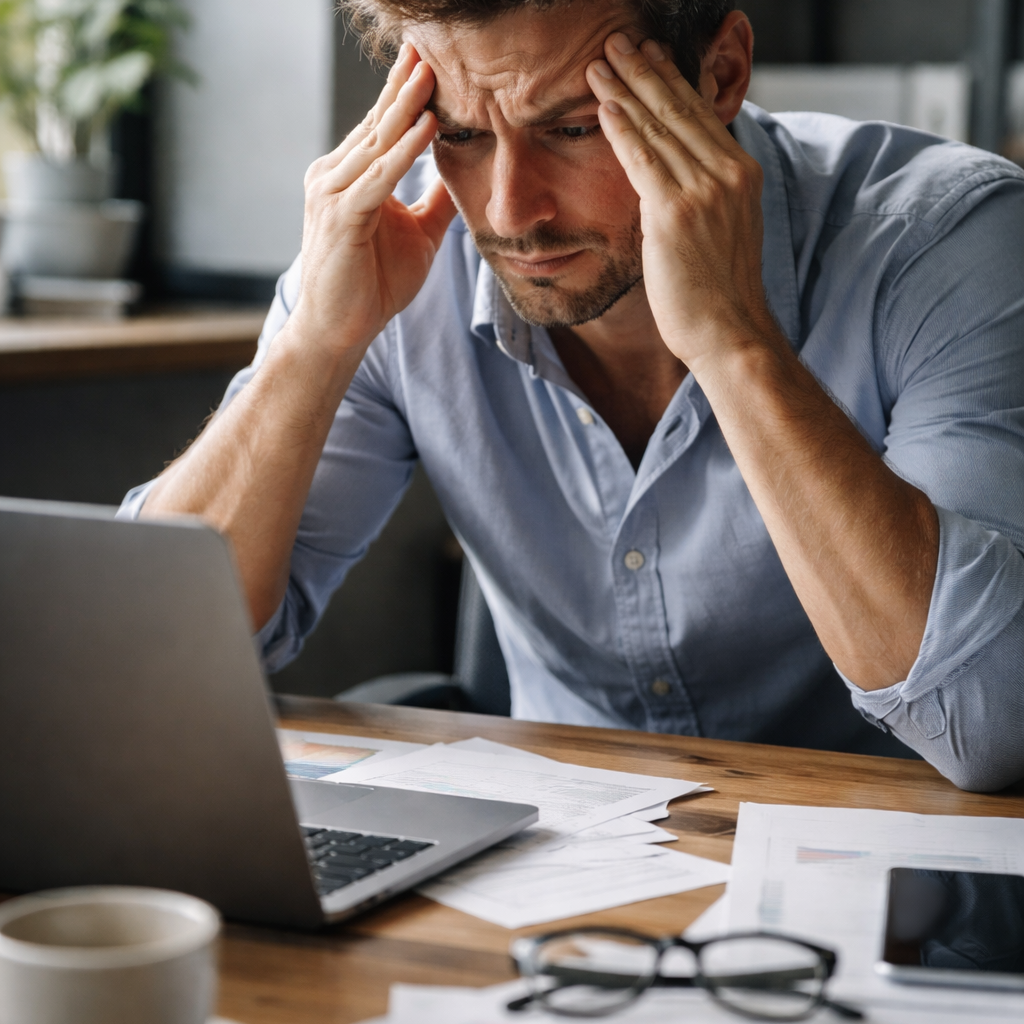
Stress is often associated with obvious feelings like anxiety, pressure, or emotional overload. However, stress does not always announce itself clearly. Many people believe that if they feel “normal,” their body must be fine. In reality, stress can quietly affect the body in subtle ways, even when you think everything is under control.
Modern lifestyles involve constant deadlines, screen exposure, irregular sleep, and mental multitasking. Over time, these factors may place stress on the body, even without strong emotional signals. Understanding these hidden signs can help you recognize stress early and take steps to manage it before it begins to affect your daily life.
1. Constant Fatigue Despite Adequate Sleep
Feeling tired all the time—even after sleeping enough hours—can be a subtle sign of stress. When the body remains in a prolonged alert state, it may struggle to fully recharge during rest.
Stress can keep the nervous system active, which may reduce the quality of sleep. You might wake up feeling unrefreshed or experience low energy throughout the day, even without heavy physical activity.
2. Difficulty Concentrating or Forgetfulness
Stress can affect mental clarity. You may notice difficulty focusing, remembering small details, or completing tasks that once felt easy.
This mental fog can occur because stress signals keep the brain busy processing perceived demands. Over time, this may reduce attention span and make everyday tasks feel overwhelming.
3. Frequent Headaches or Head Pressure
Recurring headaches or a feeling of pressure around the head or temples can sometimes be linked to stress. Muscle tension in the neck, shoulders, and scalp may increase during stressful periods.
Long hours of screen use combined with stress may further contribute to this discomfort, even if hydration and posture seem adequate.
4. Digestive Discomfort Without Clear Cause
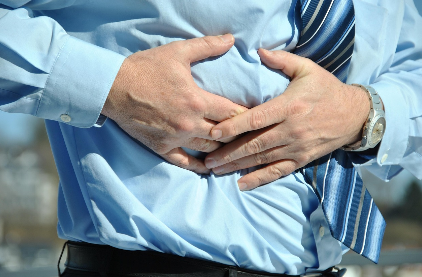
The digestive system is highly sensitive to stress. You may notice bloating, irregular bowel habits, or stomach discomfort during stressful periods.
Stress may affect how the gut processes food, even if your diet has not changed. These sensations can come and go depending on stress levels, making them difficult to link directly to food.
5. Changes in Appetite
Stress can influence appetite in different ways. Some people may feel less hungry, while others may experience increased cravings—especially for sugary or salty foods.
These changes can happen even when emotional stress does not feel obvious. The body may seek quick energy sources during stressful periods, leading to changes in eating habits.
6. Muscle Tension and Body Aches
Unexplained muscle tightness or stiffness—especially in the neck, shoulders, and lower back—can be a sign of stress. The body may unconsciously tense muscles in response to ongoing pressure.
Over time, this tension may lead to discomfort or reduced flexibility, even without physical strain or injury.
7. Trouble Falling or Staying Asleep
Stress can interfere with sleep patterns in subtle ways. You may lie awake with racing thoughts or wake up frequently during the night.
Even if total sleep hours seem sufficient, poor sleep quality may leave you feeling tired the next day. This cycle can continue if stress remains unmanaged.
8. Increased Sensitivity or Irritability
Feeling unusually sensitive to noise, interruptions, or minor inconveniences can sometimes indicate stress. Small issues may feel more irritating than usual.
This heightened sensitivity may occur because stress reduces emotional resilience, making it harder to stay calm during routine situations.
9. Changes in Breathing Patterns
Stress can subtly affect breathing. You might notice shallow breathing, frequent sighing, or feeling short of breath during calm moments.
These breathing changes may occur without conscious awareness and can contribute to feelings of restlessness or fatigue over time.
10. Skin Changes or Breakouts
The skin can reflect internal stress levels. You may notice increased breakouts, dryness, or dullness during stressful periods.
Stress may influence skin balance by affecting hydration and oil production. These changes often improve when stress levels decrease.
11. Frequent Illness or Low Immunity
Stress may affect how the body responds to everyday challenges. Some people notice they catch colds more easily or take longer to recover when under prolonged stress.
This does not always feel dramatic but can appear as recurring minor health issues over time.
12. Restlessness Even During Relaxation
You may find it hard to relax fully, even when watching TV, reading, or resting. The body may remain in a state of alertness without an obvious reason.
This restlessness can be a sign that stress signals are still active beneath the surface.
13. Changes in Motivation Levels
Stress can affect motivation in subtle ways. Tasks that once felt manageable may now feel exhausting or overwhelming.
This lack of motivation may be mistaken for laziness, but it can be a sign that mental and physical energy is being drained by stress.
14. Emotional Flatness or Feeling “Disconnected”
Not all stress feels anxious. Sometimes, people under stress report feeling emotionally numb or disconnected rather than overwhelmed.
This may happen when the body adapts to long-term stress by reducing emotional responses as a coping mechanism.
Why Stress Often Goes Unnoticed
Stress does not always come from major life events. Daily habits such as poor posture, constant notifications, irregular meals, and lack of downtime can quietly add up.
Because these stressors feel “normal,” the body’s signals may be ignored until symptoms become more noticeable.
Simple Ways to Support Your Body During Stress
While stress cannot always be eliminated, small changes may help support the body:
- Maintain regular sleep and meal schedules
- Take short breaks from screens
- Practice slow, deep breathing
- Stay hydrated
- Move your body gently each day
- Allow time for rest without guilt
These habits may help the body return to a calmer state gradually.
When to Pay Attention
If stress-related signs persist for long periods or begin affecting daily life, it may be helpful to reflect on lifestyle patterns. Tracking sleep, energy levels, and stress triggers can offer useful insights.
Frequently Asked Questions (FAQs)
Can stress affect the body even if I feel fine?
Yes, stress may show physical signs even when emotional stress feels minimal.
Why do stress symptoms feel different for everyone?
Stress responses vary depending on lifestyle, habits, and individual sensitivity.
Can small daily stressors really add up?
Yes, ongoing minor stressors may affect the body over time.
Is feeling tired always a sign of stress?
Not always, but persistent fatigue may be influenced by stress-related factors.
Health Disclaimer
This article is for informational purposes only and does not provide medical advice. It is not intended to diagnose, treat, or replace professional guidance. Individual experiences may vary.